Football trips to Milan 2026/27
The Curva Sud ultras set the tone from well before kick-off, and on European nights the noise inside the ground builds into something that first-time visitors tend to remember for a long time. The city itself adds to the appeal: Milan is a destination people want to visit regardless of football, so planning a trip around a match gives you a reason to book and a city worth exploring properly once the final whistle blows.
Compare football trips to Milan
Football packages to Milan range from a match ticket paired with two nights in a central hotel, through to full multi-day trips that include flights, transfers, and sometimes pre-match experiences. The right choice depends mostly on what you've already arranged. If you're travelling from abroad with nothing booked, a package that bundles everything into a single booking removes a lot of coordination and gives you certainty before you fly. If you already have accommodation sorted or you're extending a longer stay in Italy, a standalone match ticket is the simpler route. Either way, checking what's actually included at a similar headline figure is a more useful exercise than looking at price alone, since two football packages at comparable rates can differ substantially in hotel location, number of nights, and whether flights are part of the deal.
Milan tickets
San Siro holds around 75,000 spectators, which means tickets for standard Serie A fixtures are generally more accessible than for the matches that draw global attention. The Derby della Madonnina against Inter is the fixture that attracts the most demand, and for that game it is wise to book as soon as dates are confirmed. Champions League knockout matches sit in the same category. Top Serie A home fixtures against Juventus, Napoli, and Roma also generate more interest than a mid-table league game. Buying directly through AC Milan's official channels is often limited to card-holding members, so international visitors typically book match tickets through established travel partners. Checking delivery format before purchasing is sensible if you're travelling from outside Italy, since not all partners use the same method.
Supporter guide to Milan and San Siro
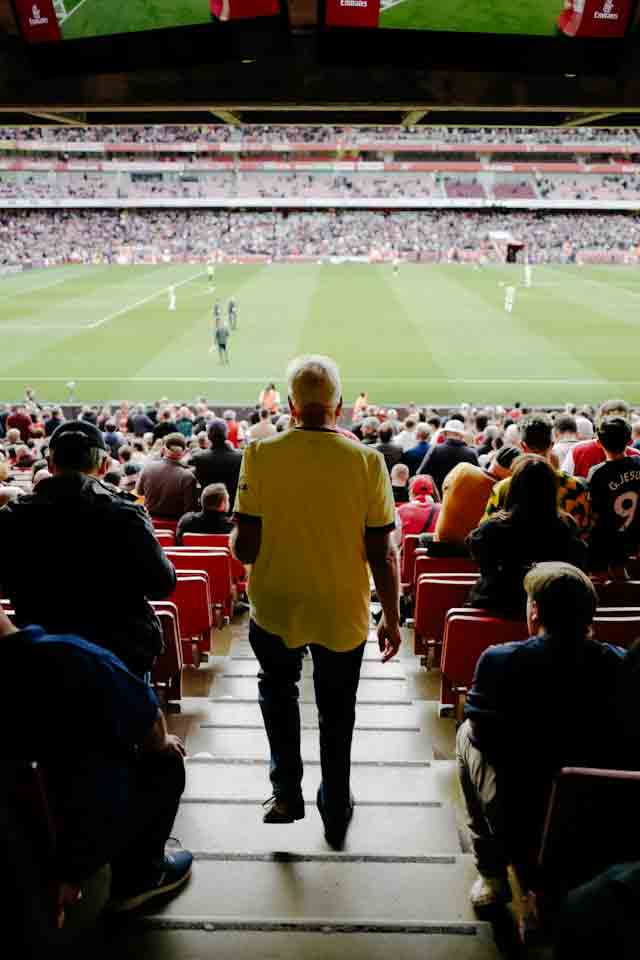
The atmosphere inside the ground shifts noticeably depending on the fixture. For a routine mid-table Serie A match, the stadium won't be close to full and the noise reflects that. For a European home tie or a derby, the dynamic is entirely different: the Curva Sud is in full voice early, and the sheer scale of the place means the sound carries in a way that smaller modern grounds don't replicate. First-time visitors should arrive well before kick-off, as queues at the turnstiles move slowly for big crowds. Follow the directions for your specific gate rather than the general crowd, and bring valid photo ID, which is sometimes checked at entry alongside the ticket.
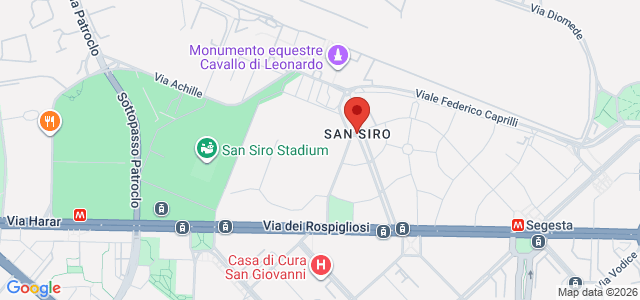
Getting to San Siro
The M5 metro line runs directly to San Siro Stadio station, making it the most straightforward option from central Milan. The journey takes around 20 minutes. The M1 line to Lotto is an alternative but involves a longer walk. After the final whistle, taxis and rideshare apps are unreliable due to demand, so the metro is the better return option too. San Siro is also served by tram on matchdays, which some supporters prefer for shorter journeys from the west of the city.