Football trips to Manchester United 2026/27
Manchester United carries a weight of football history that few clubs anywhere in the world can match. From the tragedy of the 1958 Munich air disaster and the rebuilding under Sir Matt Busby, to the sustained dominance of the Sir Alex Ferguson era, this club has shaped English football across generations. Supporters who make the trip here are not just watching a match. They are visiting one of the sport's most storied clubs, in a city that takes football seriously in a way that is visible the moment you step off the train. The matchday atmosphere builds steadily through the afternoon, and the noise inside the ground for a big fixture is something that stays with you.
Compare football trips to Manchester United
Football packages to Manchester United range from a match ticket on its own through to full arrangements covering flights, hotel, and your seat at the game, all confirmed in a single booking. If you are already based in the UK, a ticket-only option might be all you need. For those travelling from further afield, a package that bundles accommodation and travel tends to be easier to manage, particularly if the fixture is rescheduled. Most football packages are structured around a two or three-night stay, giving you time to explore Manchester before or after the match. The contents vary between sellers, so it is worth reading each listing carefully to understand exactly what is and is not included before you commit.
Manchester United tickets
Getting a match ticket for Manchester United directly through the club requires an active membership, and even then access to the most sought-after fixtures is not guaranteed. The sellers listed on this page secure allocations in advance, which means you can get a confirmed seat for a specific fixture without navigating the club's own system. Match tickets are available across a range of categories and price points depending on the provider, and several sellers also offer hospitality and premium seating for those who want a more elevated experience. For the Manchester Derby and the home fixture against Liverpool, it is wise to book as early in the season as possible. European knockout nights at Old Trafford are consistently among the hardest tickets to secure across the season.
Supporter guide to Manchester United and Old Trafford
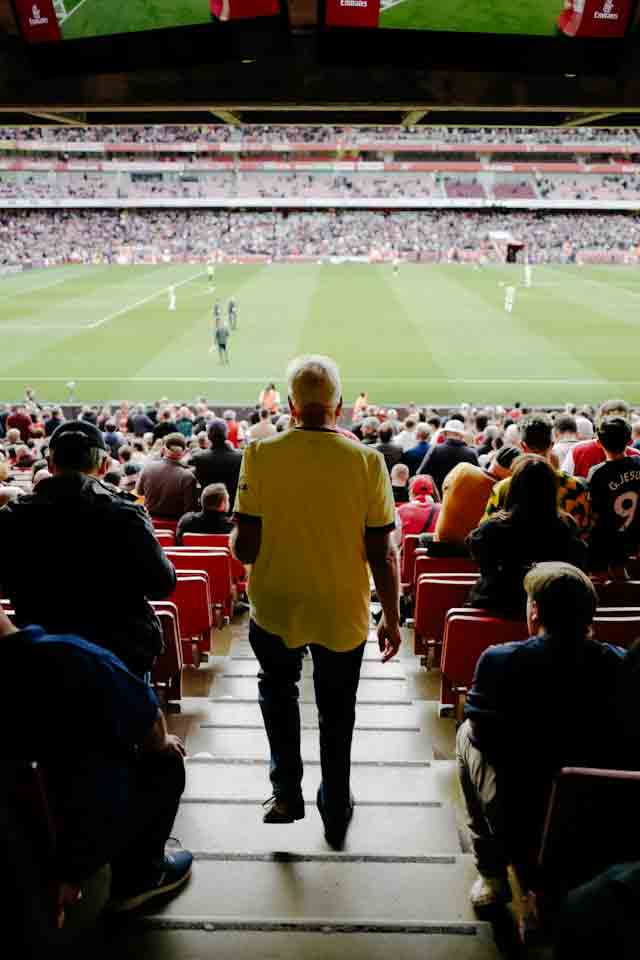
The atmosphere inside the ground grows noticeably as kick-off approaches, and for a derby or a European tie it reaches a level that first-time visitors often describe as overwhelming in the best sense. United's supporters have a deep connection to the club's history, and songs referencing the Munich disaster and the players lost in 1958 are still sung regularly. Away fans attend in a designated section and are vocal throughout. Pubs near the ground fill up well before kick-off, and the walk from the surrounding streets into the stadium carries a buzz that is part of the experience. Arriving at least 90 minutes early gives you time to take it all in without rushing through security.
Getting to Old Trafford
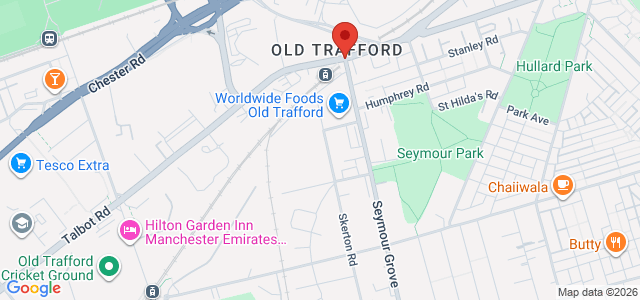
The Metrolink tram is the most straightforward way to reach the ground from central Manchester. The Altrincham and Trafford Centre lines both stop at Old Trafford, with the journey from city centre stops taking around 10 to 15 minutes. Trams are very busy after the final whistle, so expect a short wait before boarding heading back into the city. Walking from Deansgate takes around 25 to 30 minutes along Chester Road if you prefer to go on foot and want to take in the approach to the stadium. Taxis and ride-share apps are an option but slower on matchdays due to traffic in the surrounding area.