Las Palmas tickets & safe packages · Estadio Gran Canaria, Las Palmas.
Las Palmas, Spain
Estadio Gran Canaria
Segunda Division
Planning a trip to see Las Palmas play at Estadio Gran Canaria is straightforward if you know where to look. On this site, you can compare options from around 15 different companies — ranging from sellers who offer individual match tickets to agencies that put together full packages with flights and hotel included. The point isn't just to find the cheapest option, but to find the right one for you. A solo traveller looking for just a seat in the stands has different needs than a group wanting a full weekend away. Some packages include guided tours or pre-match arrangements, while others are stripped back to the basics. It's worth checking what's actually included before committing, since the content of different offers can vary quite a bit even when the price looks similar. Once you've found something that suits, the purchase is completed directly on the seller's website. Payment methods and booking conditions differ between companies, so it's worth reading the details.
When you compare football trips to Las Palmas on this site, you're looking at offers from a range of companies that work with different hotels, airlines and ticket allocations. That means the same match weekend can look quite different depending on which company you go with — different departure points, hotel locations, and what's bundled in. A football tour that includes transfers and a central hotel might cost more upfront but save you a lot of hassle on the ground. Others prefer to book flights and accommodation separately and just need the match ticket sorted. Both approaches work, and the companies listed here cover both. The comparison is designed to give you a clear picture of what's available so you can weigh up the options side by side. Check the details of each offer carefully — departure city, hotel category, number of nights and what's included in the price are the things that tend to differ most.
Getting Las Palmas tickets through the club directly is possible, but it comes with some friction. The club operates a membership system, and priority access to tickets for Las Palmas is often tied to being a registered member (socio), which makes it harder to guarantee a seat as a visitor from abroad. For travelling fans, buying through one of the partners listed on this site is a more reliable route — you know you have a confirmed place before you travel. Match tickets vary in price depending on the stand and the fixture, with local derbies and bigger opponents naturally attracting more demand. The companies listed here offer match tickets across different price categories, and some also include extras like stadium tours or pre-match hospitality. If you're looking at a specific fixture, check what's available across the different sellers, since allocations and what's included can vary. More details about each offer are available on the individual seller's page.
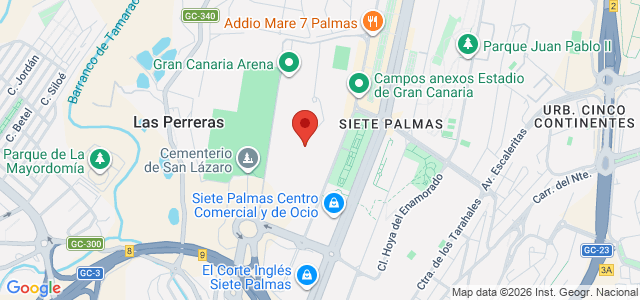
Estadio Gran Canaria sits in the south of Las Palmas city, in the Mesa y López area, which has a decent mix of bars and restaurants within walking distance. The area around Calle Franchy Roca and the nearby commercial streets have several places to grab a drink before the match. Las Palmas fans are generally relaxed and welcoming toward visiting supporters, and the atmosphere around the ground on matchday is lively without being intimidating. Arriving around 90 minutes before kick-off gives you time to get your bearings, find your entrance and soak up the pre-match atmosphere. The stadium has multiple gates, so check your ticket carefully for the correct entrance — it's a common source of confusion for first-time visitors. Away fans are typically allocated a specific section, and stewards are usually helpful if you're unsure where to go. Bring some cash as not all vendors around the ground accept cards.
The stadium is located in the south of Las Palmas, and the most convenient public transport option is the city bus network operated by Guaguas Municipales. Several lines pass close to the ground, including routes that connect the city centre and the Las Canteras beach area to the stadium. Line 1 and Line 12 are among the routes that run through the Mesa y López district near the ground — worth checking the current timetable on the day of travel. The walk from the Parque Santa Catalina area takes around 20 to 25 minutes on foot along Avenida Mesa y López, which is a fairly straightforward route. Taxis are widely available across Las Palmas and are a practical option, especially after the match when buses can be crowded. There is parking available around the stadium, but spaces fill up quickly on matchdays, so arriving early or using public transport is the more reliable choice.
Estadio Gran Canaria was inaugurated in 2003, replacing the old Estadio Insular that had served the club for decades. The ground has a capacity of approximately 32,000 and is a modern, single-tier bowl design with a roof covering all four stands. The playing surface sits below street level, which gives the stadium a distinctive sunken feel when you enter. The design means there are no pillars blocking sightlines, and views from most areas of the ground are good. The south end of the stadium, known as the Fondo Sur, is where the most vocal home support tends to gather. Matchday atmosphere tends to build steadily, particularly for bigger fixtures in La Liga. The yellow and blue of Las Palmas is prominent throughout the ground, reflecting the club's colours and connection to the Canary Islands. The stadium also hosts concerts and other events outside the football season, which has helped fund ongoing maintenance and upgrades to the facilities.
A package trip to Las Palmas makes sense if you want to keep the planning simple — flights, hotel and match ticket sorted in one go. The Canary Islands are a popular destination year-round, which means there's usually a reasonable selection of flights from many European cities, and hotels across different price ranges. A travel package through one of the companies on this site typically means you're dealing with one booking rather than three separate ones, and if something changes with the fixture, the agency handles the adjustments. That said, if you're already planning to be in Las Palmas for other reasons, or if you prefer to arrange travel yourself, then a standalone match ticket might be all you need. The companies listed here cover both scenarios. It's worth comparing not just the price but the hotel location and what's included — some packages are better value than they first appear once you factor in transfers and breakfast.
Las Palmas's most significant rivalry is with Tenerife, the other major club from the Canary Islands. The fixture between the two is known as the Canary Islands derby, and it carries a regional intensity that goes well beyond football — it's about island identity and local pride. The two clubs have not always been in the same division at the same time, which means the derby doesn't happen every season, but when it does, it's one of the most charged occasions in Spanish regional football. Las Palmas also has a historical rivalry with Deportivo La Coruña, another club with a strong regional identity that has experienced the ups and downs of Spanish football. Matches against the bigger Andalusian clubs like Sevilla and Real Betis also tend to draw strong interest from the Las Palmas support, though these are competitive rather than deeply historic rivalries.
UD Las Palmas was founded in 1949 and has spent periods in both the top flight and lower divisions of Spanish football. The club has historically been a stepping stone for players from South America, particularly from Argentina and Brazil, given the Canary Islands' cultural and geographic position. Several players have used Las Palmas as a platform before moving to bigger clubs in Spain and Europe. One of the most celebrated figures in the club's history is the Spanish midfielder Juan Carlos Valerón, who came through the Las Palmas academy and went on to have a distinguished career at Deportivo La Coruña and with the Spanish national team. More recently, the club's return to La Liga in the mid-2010s and again in 2023 brought renewed attention, with players like Kirian Rodríguez — a local product and club captain — becoming central figures. The club has a strong tradition of developing Canarian talent and maintaining ties to the local community.
A football trip to Las Palmas gives you a good excuse to spend time in one of the most liveable cities in Spain. The Vegueta neighbourhood is the old town, with colonial architecture, narrow streets and the impressive Santa Ana Cathedral — worth an afternoon on its own. The Museo Canario in Vegueta covers the pre-Hispanic history of the islands and is genuinely interesting even if you're not a museum person. Playa de Las Canteras is the main city beach, a long stretch of sand right in the urban centre with calm water and a good selection of restaurants along the promenade. The Triana district is the main shopping and café area, and the covered market Mercado del Puerto near the harbour is a good spot for fresh fish and local food. The city has a year-round mild climate, so outdoor eating and walking around the neighbourhoods is comfortable regardless of when you travel.